
Play the infinite game.
5 MINUTES READ

Step into my digital universe
Jeff P.
Client
U.S. Bank
Date
Role
UX Lead
Website
Helping users find what matters most in their financial journey
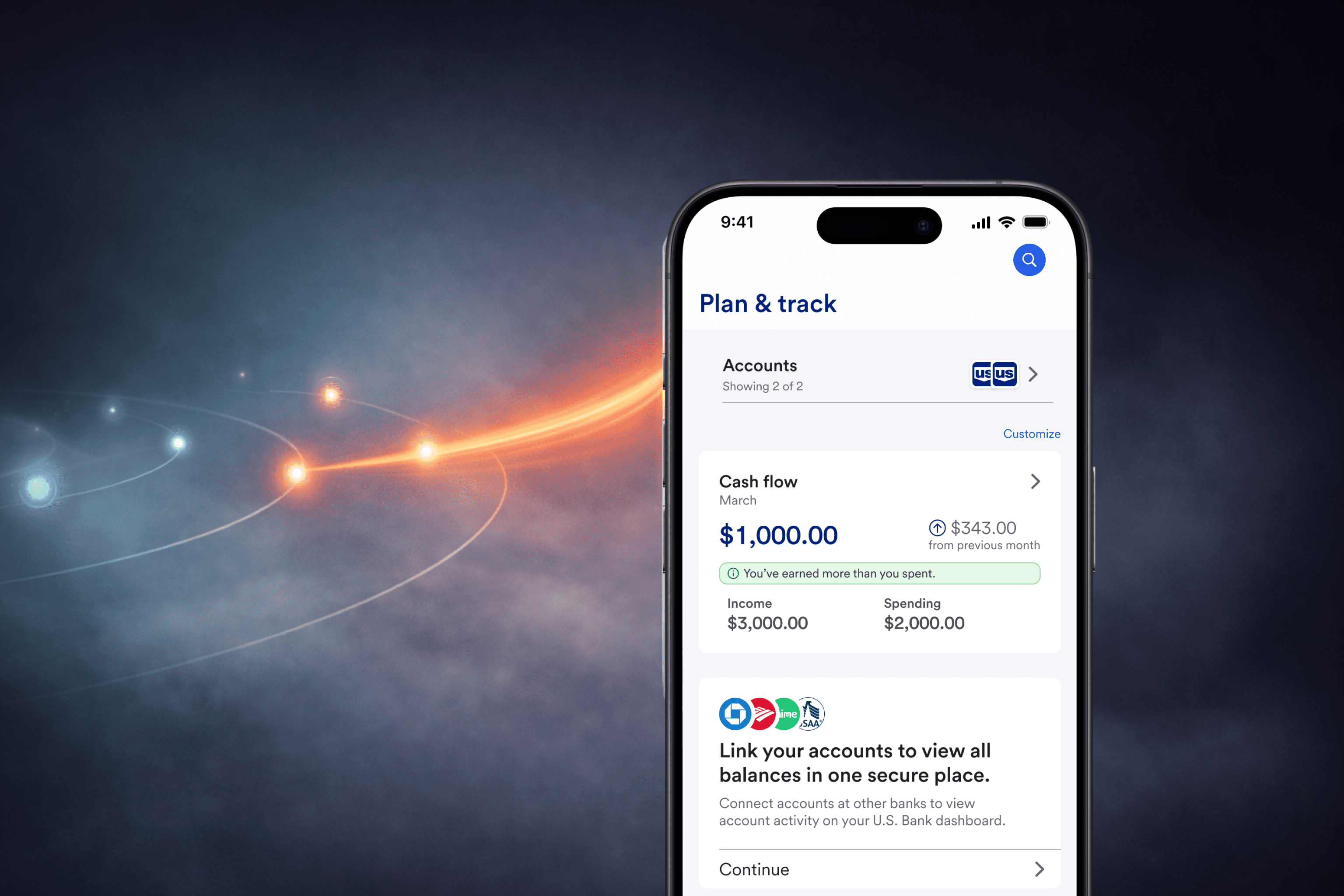
As the UX Lead for U.S. Bank’s Plan & Track team, I led a focused discovery initiative to improve the usability and navigation of our mobile banking experience.
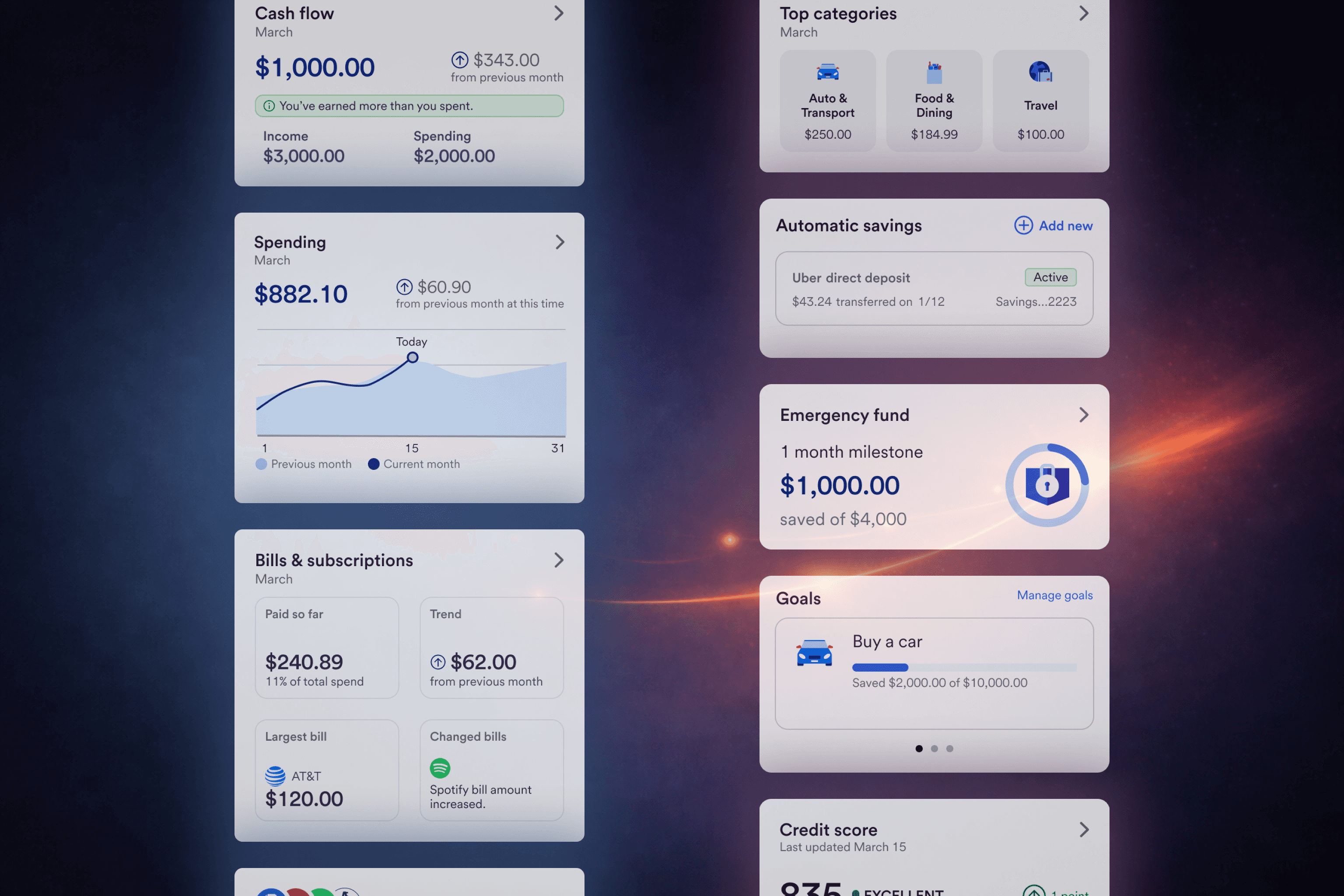
As the experience expanded to include tools for spending, saving, and borrowing, users began struggling to find key features and understand how different tools connected. This two-sprint research effort uncovered the root causes of that confusion and created a clear roadmap for redesigning the Plan & Track navigation system.
When everything is connected, users can’t find what’s essential
Over time, Plan & Track had grown into a powerful but complex ecosystem. Analytics and early feedback showed users bouncing between sections, relying heavily on search, and misinterpreting navigation labels like “Plan,” “Tools,” and “Insights.”
We needed to understand how people navigated the experience — and how to make that journey intuitive, consistent, and confidence-building.
Defining a clear goal for navigation clarity and discoverability
Our objectives were to:
Simplify and clarify the navigation structure
Improve visibility of high-value tools like budgeting and savings goals
Align labels and hierarchy with user mental models
Benchmark against best-in-class fintech navigation patterns
Evaluating the experience through multiple research lenses
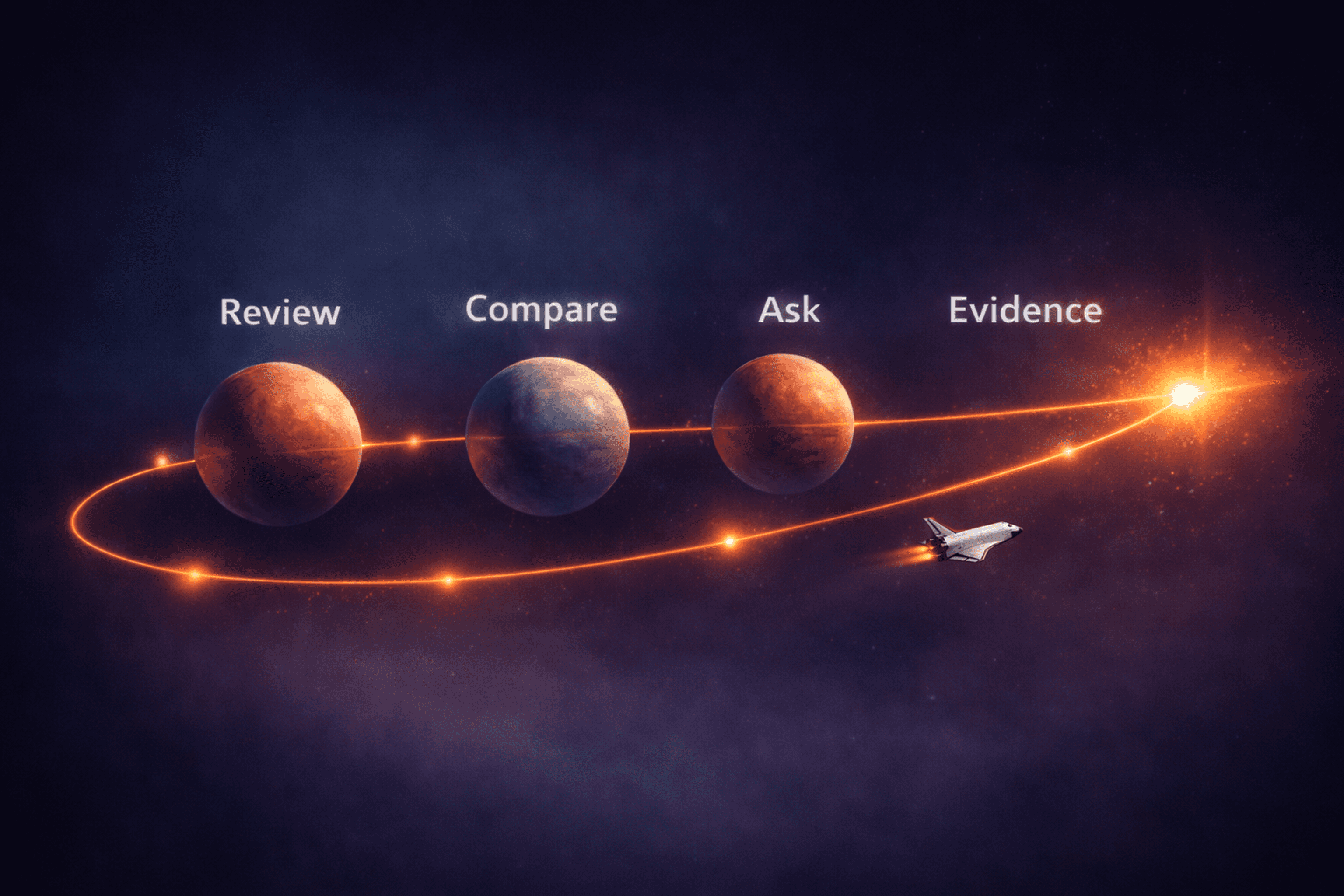
To move quickly while maintaining rigor, I designed a three-part discovery approach:
Heuristic Evaluation
I created a custom framework to assess simplicity, labeling, accessibility, consistency, and goal-oriented navigation across spending, saving, and borrowing tools.
Competitive Analysis
I evaluated 11 leading fintech and banking apps (including Rocket Money, Monarch, SoFi, and Chase) to benchmark best practices in navigation clarity and personalization.
Persona-Based Research Simulation
Using modeled personas, I explored navigation flows and behavioral patterns to quickly validate assumptions and uncover early opportunities within our tight two-sprint timeline.
What we discovered: complexity, inconsistency, and missed opportunities
Across all methods, several themes emerged:
Navigation overload — Too many options buried high-value tools and increased task failure.
Inconsistent labeling — Terms like Plan and Insights varied across iOS and Android, confusing users.
Low personalization — Competitors surfaced tools based on goals; U.S. Bank did not.
Fragmented journeys — Spending, saving, and borrowing felt disconnected.
Low emotional reinforcement — Lack of encouraging language reduced user confidence.
These insights reinforced that navigation clarity is foundational to trust.
Turning insights into a navigation strategy
I developed a prioritized set of recommendations:
Simplify top-level navigation and merge redundant sections
Introduce goal-based labels (e.g., Track Spending, Grow Savings)
Personalize dashboards based on user intent
Surface trends and progress on the home screen
Reduce redundancy and streamline task flows
Reinforce confidence through supportive copy and micro-interactions

Working lean and adapting in real time
With only two sprints, I relied on lightweight methods and tight collaboration with Product and Content partners. As new stakeholder questions emerged, I refined the scope and expanded analysis to ensure the work stayed aligned with roadmap priorities.
Delivering a roadmap for redesign
The work resulted in a clear plan to:
Define a simplified, goal-based navigation framework
Prototype and validate new flows
Standardize labeling across platforms
Establish usability and discoverability success metrics
These insights were packaged into a stakeholder-ready brief that now guides the next phase of navigation redesign.
What this project taught me about research and alignment
This project reinforced the value of early cross-functional collaboration and showed how fast, focused research can shape long-term strategy when aligned closely with product priorities.
Next Projects